
Brands today are expected to stand for something beyond their products. Whether they are promoting inclusivity, supporting employees or participating in conversations about social issues, companies increasingly use their values as part of their public image. However, the cases involving Barbie, Starbucks and Bud Light raise an important question: What happens when a brand's messaging does not match its actions?
I think the biggest lesson from these cases is that successful public relations requires more than getting attention. Organizations also need to maintain trust, especially when their decisions affect the people they claim to support.
Authenticity Is More Than a Marketing Campaign
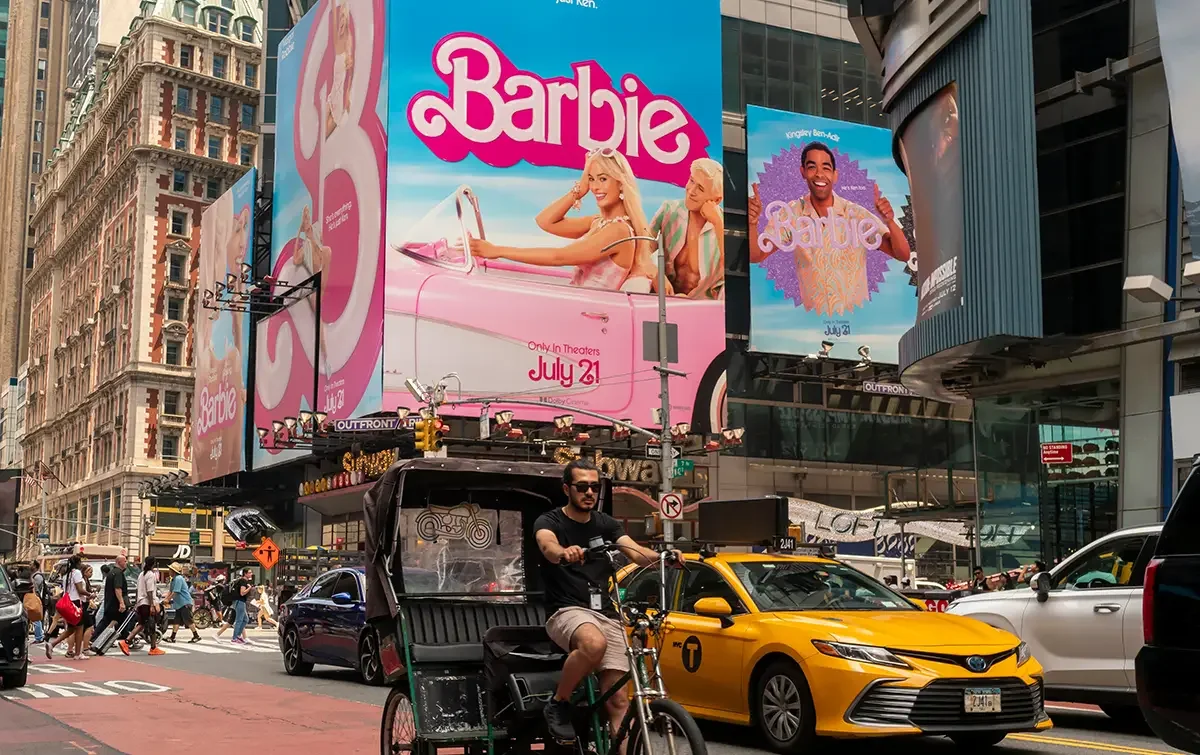
The success of the Barbie movie demonstrated how powerful an integrated marketing campaign can be. Through partnerships, social media and cultural conversations, the campaign helped Barbie reach audiences beyond its traditional consumers. However, Luttrell and Welch (2023) also explain that Barbie's relationship with feminism and changing gender expectations has been complicated.
This shows why brand identity has to evolve alongside society. A successful campaign can introduce new messages, but those messages should reflect a genuine commitment to the values being promoted.
The research by Diwanji et al. (2025) reinforces this point by examining consumer reactions to rainbow-washing. Their findings suggest that consumers can recognize when brands use social causes for publicity without demonstrating meaningful support.
Listening to Stakeholders Before a Crisis
The Starbucks and Bud Light cases demonstrate another challenge: organizations cannot control how every audience interprets their decisions.
Starbucks' unionization controversy highlights the importance of employee relationships and internal communication. A company can promote a positive workplace culture, but employees' actual experiences can influence whether that message feels believable (The Starbucks Union Boom, n.d.).
Similarly, the Bud Light controversy demonstrated how quickly a brand partnership can become a larger discussion about corporate values and accountability (Cracking Open a Case, n.d.).
Jon Goldberg (2024), writing for the Public Relations Society of America, emphasizes the importance of aligning public statements with an organization's mission and being prepared for criticism.
I think this is especially relevant because listening to stakeholders should happen before a controversy, not just once a company faces backlash.
Public Trust Cannot Be Built Overnight
One challenge for PR professionals is that audiences do not always agree on whether companies should address social issues.
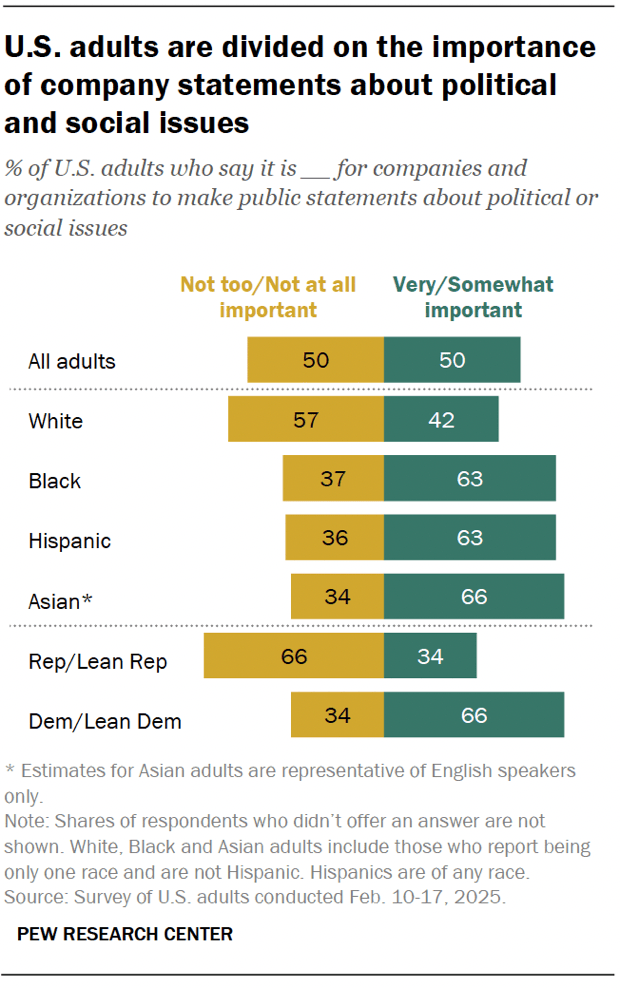
According to Pew Research Center, 50% of U.S. adults believe corporate statements on political or social issues are important, while the other 50% do not (Cheng & Horowitz, 2025).
This division makes it difficult for brands to satisfy everyone, but I do not think that means companies should avoid difficult conversations entirely. Instead, they should understand their audiences, communicate consistently and make decisions that reflect their values.
Ultimately, these cases show that good PR is not just about creating a positive image. It is about making sure that image is supported by reality. Organizations that prioritize authenticity, employee relationships and stakeholder trust are better positioned to maintain credibility, even when they face criticism.
References
Cheng, K., & Horowitz, J. M. (2025, August 5). Americans divided on whether companies should make statements about political, social issues. Pew Research Center. https://www.pewresearch.org/short-reads/2025/08/05/americans-divided-on-whether-companies-should-make-statements-about-political-social-issues/
Cracking open a case: The Anheuser-Busch response to Bud Light boycott. (n.d.). [Course case study].
Diwanji, V. S., Nguyen, N., Coelho, M. B., Burkett, M., Chaif, R. H., & Okocha, M. U. (2025). Pride, not prejudice: A cross-cultural big data analysis of consumer reactions to rainbow-washing in advertising. International Journal of Advertising. https://doi.org/10.1080/02650487.2025.2477405
Goldberg, J. (2024, May). Deciding when to speak up on social issues. Public Relations Society of America. https://www.prsa.org/article/deciding-when-to-speak-up-on-social-issues
Luttrell, R., & Welch, C. (2023). Everything Barbie all at once: “A marketing campaign for the ages.” Case Studies in Strategic Communication, 8, 16–39.
The Starbucks union boom: How a pro-worker employer became a union target. (n.d.). [Course case study].
Tags
Brand Authenticity | Corporate Responsibility | Crisis Communication | Stakeholder Engagement | Brand Activism | Public Trust