

When it comes to health campaigns, I think one of the biggest challenges in public relations is getting people to actually pay attention. Most people know that things like emergency preparedness, breast cancer awareness and safe drinking habits are important, but that doesn't necessarily mean they want to read about them. After looking at this week's cases, I realized that sometimes the way a message is delivered is just as important as the message itself.
Getting People's Attention
One campaign that really stood out to me was the CDC's zombie apocalypse campaign. Using zombies to talk about emergency preparedness sounds ridiculous at first, but that's exactly why it worked. Instead of repeating the same serious warnings, the CDC connected its message to something people were already interested in (Kruvand & Silver, 2013).
I think this is a good reminder that health communication doesn't always have to be serious to be effective. The #WhatIDidInstead campaign took a similar approach by encouraging teenagers to share what they did instead of drinking alcohol. Rather than lecturing teenagers about their choices, it gave them a way to participate in the conversation (Field-Springer, 2018).
Both campaigns showed me that people are more likely to engage when they don't feel like they're being talked down to.
Knowing Your Audience Matters
Another thing I noticed was how important it is to understand who you're trying to reach. The FactNotFiction campaign focused on making sexual health information more accessible to teenagers. Its redesign showed that having useful information isn't enough if the website or message doesn't appeal to the audience (Ragsdale et al., 2015).
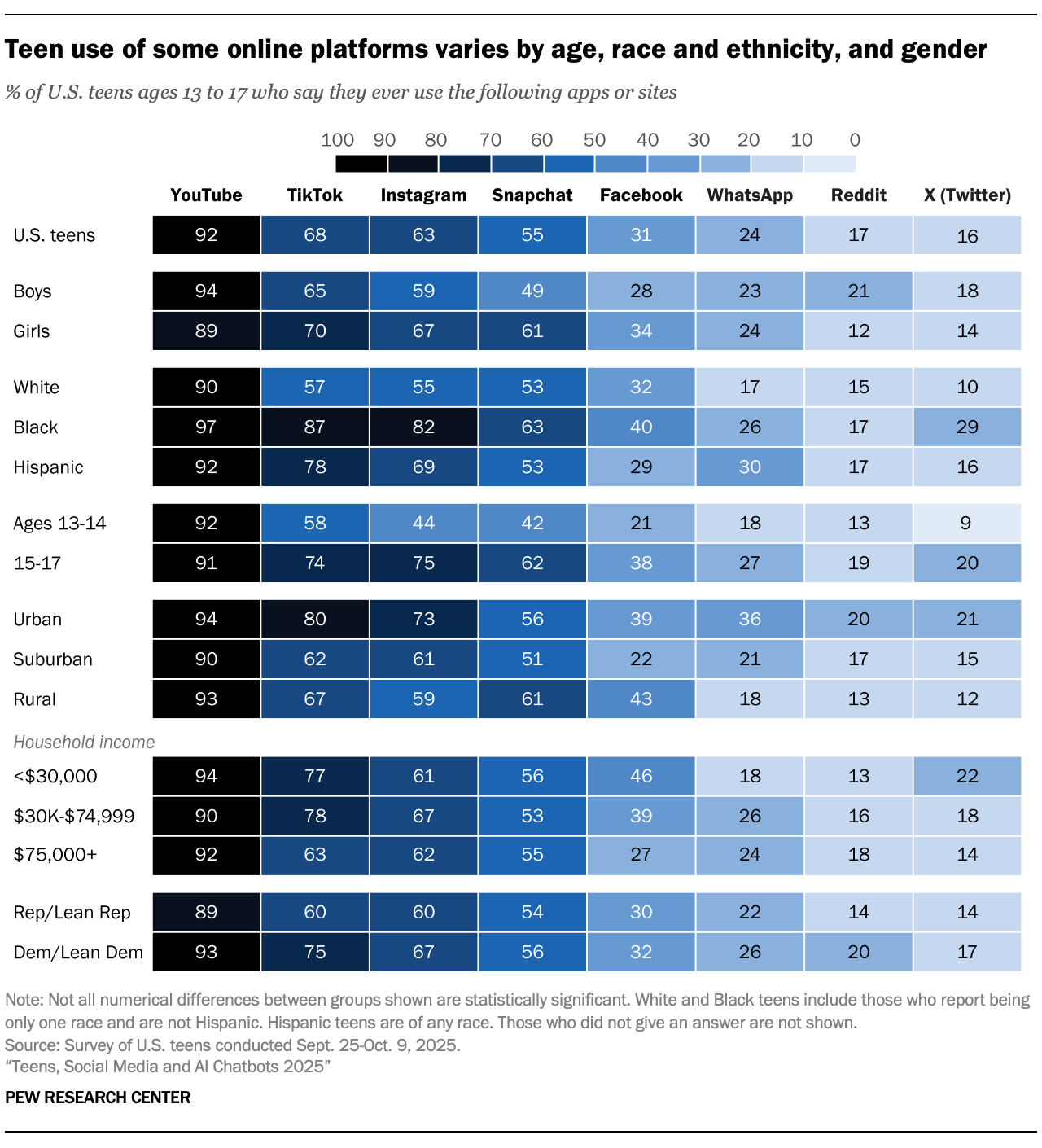
This is especially relevant today. According to Pew Research Center, about nine in 10 teens use YouTube, while TikTok and Instagram are also widely used (Faverio & Sidoti, 2025). For PR professionals, this shows why choosing the right platforms matters.
The Not One Type breast cancer campaign also demonstrated the importance of personal stories. By including real patients and survivors, the campaign made complicated medical information feel more personal and easier to connect with (Public Relations Society of America [PRSA], 2020).
The CDC's Clear Communication Index also emphasizes understanding your audience, researching their needs and testing messages before sharing them (Centers for Disease Control and Prevention [CDC], n.d.).
More Than Just Awareness
My biggest takeaway from these cases is that getting attention is only the first step. A campaign can go viral or receive millions of views, but that doesn't automatically mean people will change their behavior.
I think successful health PR should do more than make people aware of an issue. It should give them information they can actually use. Whether that's preparing an emergency kit, making healthier decisions or asking questions about a diagnosis, the goal should be to make a difference beyond social media.
At the end of the day, good PR isn't just about getting people to listen. It's about giving them a reason to care and act.
References
Centers for Disease Control and Prevention. (n.d.). Developing effective communication products (quick check).https://www.cdc.gov/ccindex/tool/develop.html
Faverio, M., & Sidoti, O. (2025, December 9). Teens, social media and AI chatbots 2025. Pew Research Center. https://www.pewresearch.org/internet/2025/12/09/teens-social-media-and-ai-chatbots-2025/
Field-Springer, K. (2018). A strategic view: #WhatIDidInstead: A social media rather than social norms approach to curb teen drinking. In B. St. John III, D. K. Martinelli, R. S. Pritchard, & C. Spaulding (Eds.), Cases in public relations strategy (pp. 162–164). SAGE Publications.
Kruvand, M., & Silver, M. (2013). Zombies gone viral: How a fictional zombie invasion helped CDC promote emergency preparedness. Case Studies in Strategic Communication, 2, 34–60. http://cssc.uscannenberg.org/wp-content/uploads/2013/10/v2art3.pdf
Public Relations Society of America. (2020). Not One Type [Silver Anvil Award of Excellence case study].
Ragsdale, K., Harper, S. K., Kathuria, S., Bardwell, J. H., Penick, C. B., & Breazeale, M. (2015). Social media to enhance sexual health education for youth: FactNotFiction's (re)design and launch. Case Studies in Strategic Communication, 4, 88–112. http://cssc.uscannenberg.org/wp-content/uploads/2016/06/v4art5.pdf
Tags: Public Relations, Health Communication, Social Media Campaigns, Audience Engagement, Public Health Awareness