
A company can spend years creating a certain image, but that reputation can change quickly when the public begins questioning whether its actions match what it says. One thing that stood out to me across the Brandy Melville, ExxonMobil, SeaWorld, and Deflategate cases is that organizations and public figures cannot completely control their reputations. They can influence the conversation, but stakeholders also play a major role in deciding whether a message feels believable. These cases show that reputation management depends on credibility, timing, transparency, and, most importantly, whether communication is supported by actual behavior.
Building an Image Is Only the Beginning
Brandy Melville is different from the other cases because its communication strategy was not originally about responding to a crisis. Instead, the company intentionally created an exclusive and aspirational image through its sizing strategy and social media presence (VanSlette & Waymer, 2016). This helped the brand develop a recognizable identity and build a strong following, but it also created ethical questions about who gets included in that identity. To me, this shows that a successful reputation is not automatically a positive or responsible one. A strategy can attract attention and customers while still creating criticism that could affect the brand later.

Deflategate shows another side of reputation management. Both the NFL and Tom Brady attempted to influence how the public interpreted the controversy. Brady used strategies such as denial, bolstering his existing reputation, minimizing the situation, and attacking the credibility of his accuser (Strawser et al., 2017). The case demonstrates how reputation can become a competition over which version of events audiences find most credible. It also shows how an already established reputation can affect how people react when controversy happens.
When Communication Needs Action
The ExxonMobil and SeaWorld cases especially show why simply defending an organization is not always enough. ExxonMobil faced the challenge of promoting hydraulic fracturing while public concerns and scientific uncertainty remained. The case suggests that transparency and genuine communication were especially important because dismissing stakeholder concerns could create even greater reputational damage (Arthur W. Page Society, 2012).
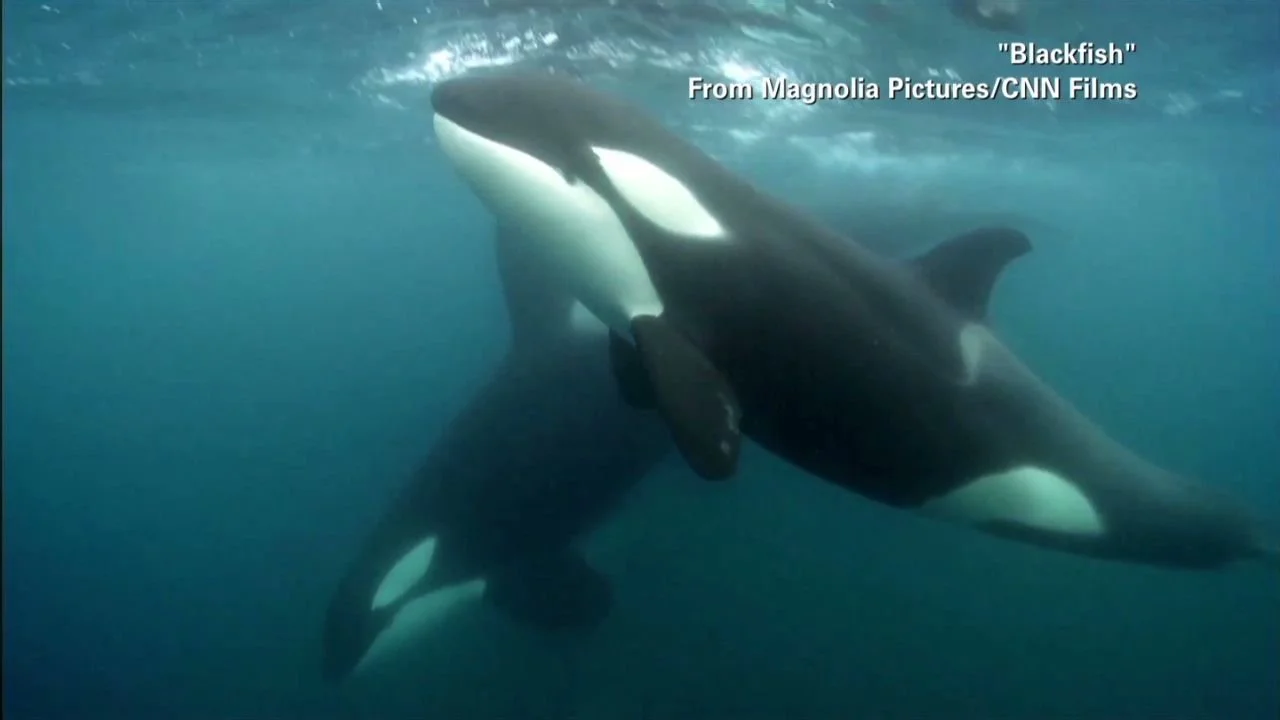
SeaWorld provides an even clearer example. Its initial response to Blackfish relied heavily on defensive messaging, but the company eventually shifted toward communication that was supported by actual organizational changes (Duhon et al., 2016). This connects with guidance from the Public Relations Society of America that emphasizes authentic, transparent, and timely communication during a crisis (Bermudez & Izquierdo, 2020).
Why Reputation Management Matters
These cases made me realize that PR cannot simply make an unpopular decision or controversy disappear. Social media and digital communication have also given audiences more opportunities to participate in conversations about companies and public figures. This makes credibility even more important because audiences are constantly deciding which messages and sources they trust. Pew Research Center found that factuality, timeliness, and the perceived importance of information are major factors in how Americans determine what they consider news (Eddy et al., 2025).
Ultimately, the biggest lesson across these cases is that reputation management works best when communication and organizational behavior support each other. Whether a company is building a brand or responding to a major controversy, credibility is difficult to create through messaging alone. The strongest reputation strategy is not just telling stakeholders what an organization stands for, but giving them reasons to believe it.
References
Arthur W. Page Society. (2012). Water on fire: An analysis of ExxonMobil’s communicative defense of hydraulic fracturing [Case study].
Bermudez, H., & Izquierdo, A. (2020). Trust and transparency in times of crisis. Public Relations Society of America.
Duhon, S., Ellison, K., & Ragas, M. W. (2016). A whale of a problem: A strategic communication analysis of SeaWorld Entertainment’s multi-year Blackfish crisis. Case Studies in Strategic Communication, 5, 3–37.
Eddy, K., Matsa, K. E., Lipka, M., Forman-Katz, N., St. Aubin, C., Wang, L., Radde, K., & Coleman, J. (2025). What is news? Pew Research Center.
Strawser, M. G., Shain, S., Thompson, A., Vulich, K., & Simons, C. (2017). Deflated: The strategic impact of the “Deflategate” scandal on the NFL and its golden boy. Case Studies in Strategic Communication, 6, 62–88.
VanSlette, S., & Waymer, D. (2016). Exclusive and aspirational: Teen retailer Brandy Melville uses the country club approach to brand promotion. Case Studies in Strategic Communication, 5, 117–139.
Tags: Reputation Management, Crisis Communication, Stakeholder Trust, Social Media, Image Restoration